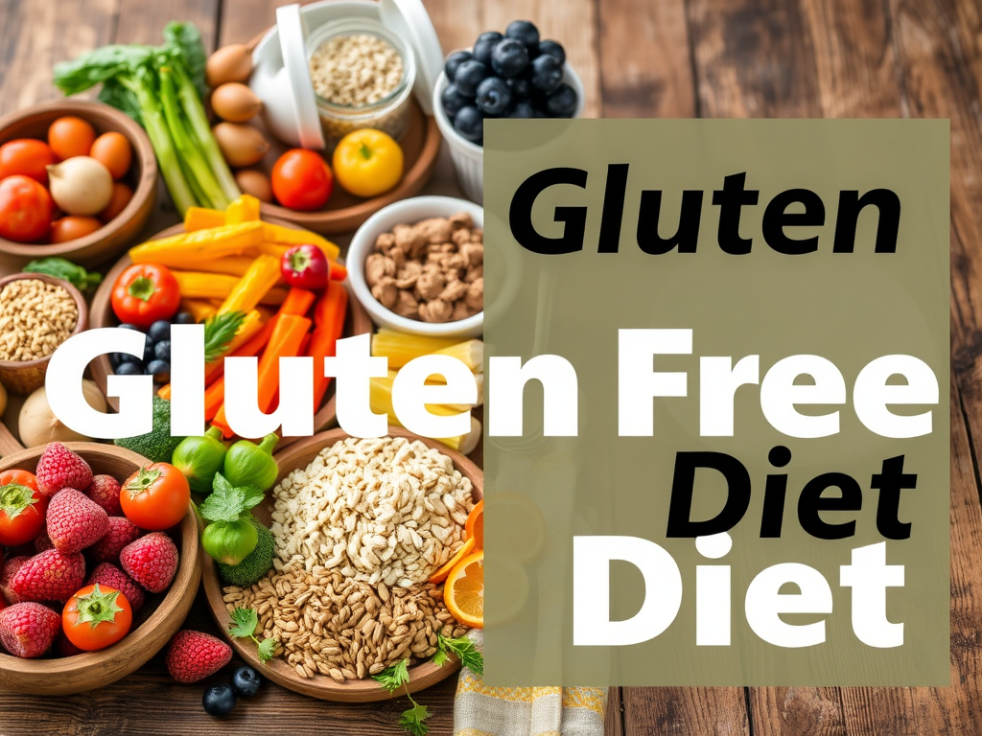
This is a controversial topic, but I am going to discuss it anyway. It’s personal. My daughter in law has dealt with celiac disease. I have seen how it can negatively affect someone’s health. According to statistics, about 1% of the U.S. population has been diagnosed with celiac disease. About 6% has non-celiac gluten intolerance (NCGS). Additionally, about 1% has a true wheat allergy.

Today, there are many people making a decision to eat a gluten-free diet. It is not just a fad! People are avoiding gluten foods. They experience physical symptoms after eating anything with gluten. It can be because of any of the above reasons or just because they feel better not eating it. I am one who feels better not eating it. I have been tested for celiac disease and a wheat allergy, and I don’t have either. I did experience symptoms after eating it, so I chose not to eat it.
LET’S TALK ABOUT WHEAT
There are multiple grains that have gluten in them. But, I am going to focus more on wheat. We consume a lot of it in America. Some people think that wheat is genetically modified (GMO). Still, at this point in America, it is not in the commercial supply yet. Others are worried about it being hybridized and that wheat specifically has very high amounts of gluten protein. These proteins are “giladims” & “glutenins”. Nevertheless, the main study that has been done says that it does not. I personally feel many more studies need to happen before they can for sure come to a conclusion. Still, these studies is what modern science and medicine will be referring to if discussed. We could discuss the glyphosate issue, but not all wheat farmers spray herbicides right before harvest. They all do not do it to dry (dry-down) the wheat. Although this does sometimes happen and it is called crop desiccation. There is also evidence that glyphosate can make its way into any final processed food if used. (1) (2)

TOXINS IN WHEAT
Wheat, in particular, is also sprayed with pesticides and fungicides. There are studies that have been done to prove that there is pesticide residue in wheat after it is processed. Non organic whole grain wheat can contain more pesticide residue than white breads. (3)
There is also the mycotoxin issue. These are poisonous metabolites produced by fungi. This fungal growth is harmful to human health. It has appeared in samples of grain we consume.
WHY IS THIS A PROBLEM?
Is it the gluten or something else? There are so many things to consider when thinking about the reasons why gluten is harmful to so many people. I have heard stories from people. They discovered that avoiding gluten in their diet has reduced their inflammation. The list of possibilities for what is causing these issues is long:
Is it something else altogether?
No matter what causes these reactions to gluten, it is definitely there, and it is causing distress for many people. For now, we can try to avoid gluten. This could help lessen our symptoms. We will also try to find out what is causing the problems.
The quality of wheat itself – Is it modified in some way?
Something wrong with the environment during wheat production – Is it from pesticides, fungicides, or herbicides?
Something in the soil – Could there be a toxic fungus that is absorbed by the plant?
The combination of the aforementioned factors – Are they cumulative and/or synergistic?
The human genetic component – Could it be a gene-environment interaction?

HOW TO FIND OUT IF YOU HAVE AN ISSUE WITH GLUTEN?
There are medical tests that can be done to determine if you have celiac disease or a true wheat allergy. It’s advised that you continue to eat gluten until all your tests are completed. The exception is if it’s a wheat allergy, because that can be life threatening. Unfortunately, if you are gluten intolerant, there is not really a test to determine that. They will just go by your symptoms, which can be many and not only gut issues. Celiac disease can cause long-term health issues, so it would be best to find out as early as you can. Functional practitioners can offer ways to test for gluten intolerance as well.
If you choose to eat a gluten-free diet, there will be a nutrient issue. Gluten-free flours have very little nutrition and can feel heavy in your stomach. I have chosen to eat gluten-free. I like to add 1 TBSP of organic buckwheat flour to 1 cup of gluten-free flour. This adds some nutrients but does not alter the taste. You should also make sure you are getting plenty of fiber and nutrients from other sources. Supplements along with wholesome foods and digestive enzymes can all help. Some people choose not to eat any baked goods when they eat a gluten-free diet. That’s fine too. Nonetheless, I personally feel extra hungry if I don’t eat some carbs.

IS THERE AN ANSWER?
There are a lot of unknowns on this topic. At present, no one can say with 100% certainty what is causing the rise in gluten problems. It is unclear if a single particular thing is responsible. Clearly, people are suffering from symptoms after eating foods that contain gluten. Statistics only show who has actually gone in to get examined by their doctors. I suspect there are quite a few more people experiencing issues they just don’t know what it is yet.
Ultimately, it is your choice what you decide to put inside your body. If you are trying to restore your gut health, and gluten foods give you symptoms, get those symptoms checked out. It’s wise to consult with a professional. If you find you are only gluten intolerant, it does not really matter why. What matters is that you are miserable after eating it. What matters is that you can get to feeling better, and eliminating gluten is the way to do that. My blog is designed to help people become aware of different ways to improve their health. As always, I hope you can find the answers you are looking for about your health journey.
Discover more from Healthful Tools
Subscribe to get the latest posts sent to your email.
 Healthful Tools