
Most of us think of yeast as the leavening agent in breads or a part of alcohol and beverages. Still, it plays a much more important role in our daily lives.
Our bodies have their own yeast/fungus. It is called candida. It is actually part of our body’s natural microbiome. Candida is a vital part of our digestive system, where it supports nutrient absorption and the digestion process. Yet, an overgrowth of candida can be detrimental to our health.

THE BENEFITS OF CANDIDA
Normally, candida thrives in small amounts throughout the body, including the mouth, intestines, vaginal tract, and skin. It plays an important role in keeping our bodies healthy. But unfortunately, a healthy candida microbiome can be disrupted and lead to harmful consequences.
There are many different ways for this originally helpful yeast/fungus to become extremely harmful and even deadly. I have personally been a victim of this type of yeast overgrowth, and it has damaged my health tremendously. Candida yeast/fungus overgrowth can be caused by taking steroids. Oral steroids also contribute to this overgrowth. Too much alcohol can be a cause. Antibiotics, too much yeast, and sugar consumption also lead to this condition. There are even more causes.
CANDIDA OVERGROWTH PROBLEMS
Once this imbalance happens, it starts to feed off all forms of sugar. It starts to grow colonies that look a little like tentacles with bulbs on it. Once it gets out of control, it can enter your organs. Then it grows wild on a whole new level. It can even enter your bloodstream! It can and usually does start to colonize in whatever organs in your body it wants to. This includes heart, brain, colon, eyes, kidney, and really anywhere. To make matters worse, it also forms Biofilms that it lives in, and it’s protected from your immune system. This is one reason that treating candida overgrowth is becoming a lot more difficult to treat with prescription antifungals. It may be becoming resistant to them in part due to the Biofilms. (1) (2) (3) (4)

CANDIDA OVERGROWTH SYMPTOMS & TYPES
Some of the symptoms that can show up due to candida overgrowth are as follows:
Fatigue
Joint Pain
Mood Swings
Eczema
Skin Rashes
Brain Fog
Recurring Yeast Infections
Chronic Sinusitis
Recurring bladder Infections
Itching
Vaginal Discharge (white cottage cheese like)
Gut Issues (gas & bloating)
These are the 5 pathogenic candida species that cause approximately 90% of candida yeast/fungal infections. (5)
*Candida albicans
*Candida glabrata
*Candida tropicalis
*Candida parpsilosis
*Candida krusei
There is also candida auris (Invasive Candidiasis) that is quickly becoming a major problem in hospitals. (6)
HOW DO I FIND OUT IF I HAVE IT & WHAT CAN I DO?
So what do we do about this growing health issue when some don’t believe it’s a serious problem? My job is to give you informational tools. These tools can help you become aware of something new. If you think you may have this problem, first contact your health care provider. Start asking questions. There are blood tests that can be done to determine if you have candida overgrowth and what strain it is. It’s important to find a doctor who will order the blood work for you. You can then discuss with them what they think is best for you.
I will share with you a list of supplements that may support you body in degrading harmful candida colonies. Always speak with your health care practitioner before starting any new supplement. These are the ones I personally use to help keep my body in balance. Remember candida is not an enemy if it is kept in check.
#1 Yeast Assist Probiotic by emerita
#2Protease
#3 Cellulase
#4 Bromelain
#5 Monolaurin
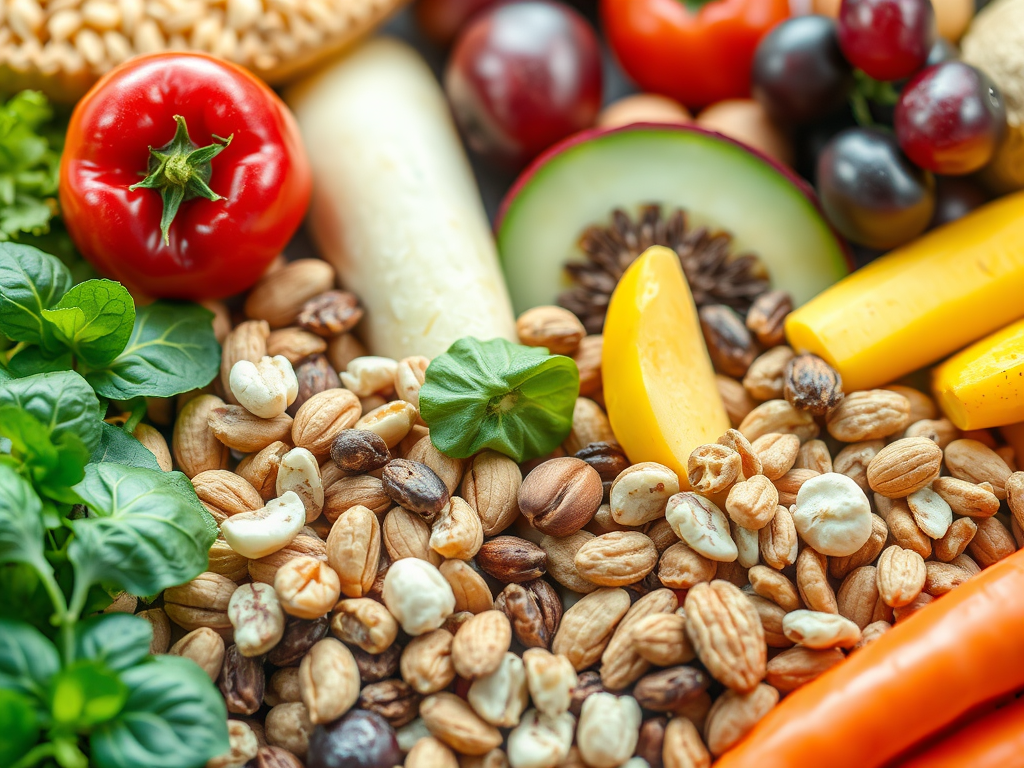
Candida overgrowth happens when the body has a unhealthy balance. This is a dangerous condition, but it may be possible to reverse its effects. There are a number of ways that you can reduce pathogenic candida. The most effective way is to reduce or eliminate sugar from your diet. You can also try a low-glycemic index diet. These types of foods have a slow impact on blood sugar levels. You may also want to check into the information that is available online for the “Candida Diet.” Sticking with a healthy diet with little to no processed foods will also be beneficial. Getting enough fiber in your diet can also help with your gut balance. Taking probiotics can also help with restoring your microbiome, particularly after you’ve had antibiotics.
MY PERSONAL STRUGGLE WITH CANDIDA
I believe my candida overgrowth began when I was a child. I had to take oral steroids three times a day, whether I needed them or not. Back then, people weren’t aware that candida overgrowth was even a possibility. I’ve also had to take antibiotics quite a few times throughout my life for infections and surgeries. (7) (8)
I honestly didn’t even know I had an overgrowth. It wasn’t until I was tested that I found out I had a systemic overgrowth. Digestive issues were my main problem, and I was pretty sure that it was from this overgrowth. It could have been from several issues, though.
If you or someone you know is suffering from this health issue, hopefully this information will help you or them. It can guide you on the right track to getting better. This is a very common problem and there is hope! I wish you only the best of health….
Discover more from Healthful Tools
Subscribe to get the latest posts sent to your email.
 Healthful Tools